Before You Buy Anything for Your Room, Do This
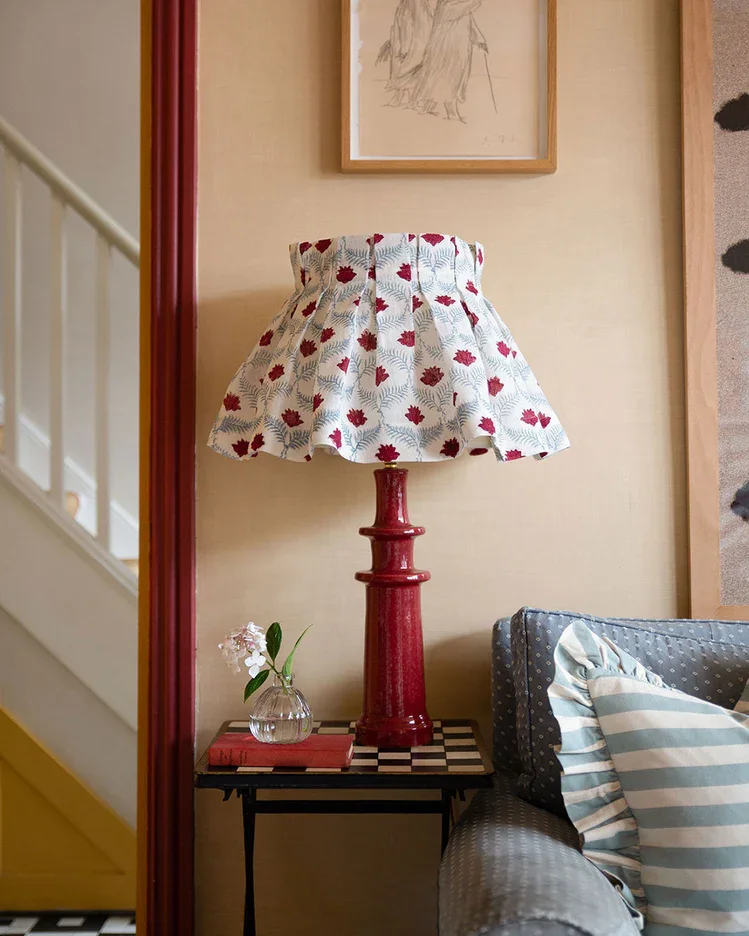
When a room does not feel right, the instinct is often to add something new: a lamp, cushions, artwork or another piece of furniture.
But the problem is rarely that the room needs more.
More often, it needs clarity.
When a room does not feel right, the instinct is often to add something new: a lamp, cushions, artwork or another piece of furniture.
But the problem is rarely that the room needs more.
More often, it needs clarity.
Before buying anything, step back and ask how the room is actually working. Is the furniture arranged around the way you live, or simply where it happened to fit? Is there a clear focal point? Are too many unrelated pieces competing for attention? Is the room missing warmth, useful lighting or somewhere comfortable to sit?
Sometimes the answer is as simple as moving a chair, removing an unnecessary table or bringing a lamp into the part of the room where it is genuinely needed.
In other cases, the issue is more fundamental. The furniture may be the wrong scale. The layout may interrupt the flow of the room. Storage may be inadequate, leaving everyday life visible in a way that makes the space feel unsettled.
This is why repeatedly buying small decorative pieces rarely solves the problem. They may improve one corner temporarily, but they do not address what is preventing the room from working as a whole.
A good interior designer looks beyond the individual objects. They consider how the room is used, where the eye naturally travels, how people move through the space and which changes will make the greatest difference.
Before adding anything new, identify what the room actually needs.
You may discover that the most effective improvement is not another purchase, but a better decision.